Safety signs are one of the most essential elements in any workplace, public facility, construction site, warehouse, school, or manufacturing environment. They communicate critical information that protects employees, visitors, customers, and the general public. Whether warning about hazards, directing emergency procedures, or outlining safety protocols, these signs play a vital role in preventing accidents, reducing liability, and maintaining compliance with safety regulations. 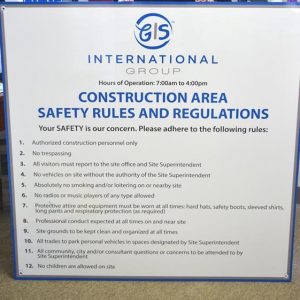
At their core, safety signs provide clear visual cues that help people recognize risks instantly. These include warning signs, danger signs, mandatory action signs, prohibition signs, fire safety signs, exit signs, emergency instruction signs, and equipment operation signs. Each category uses specific colors, symbols, and layouts to communicate quickly and universally—ensuring that even individuals with limited language proficiency can understand what to do.
One of the most important benefits of safety signs is accident prevention. A well-placed “Caution: Wet Floor” sign can prevent slips. A bold “High Voltage” sign can stop someone from touching hazardous equipment. “Restricted Area” signs keep unauthorized personnel out of danger zones. In situations where seconds matter, safety signs provide immediate direction—whether guiding people to fire exits, first aid kits, eyewash stations, or emergency showers.
Beyond safety, signage also supports compliance. Businesses are required to follow standards set by OSHA, ANSI, WHMIS, the International Organization for Standardization (ISO), and other regulatory bodies depending on their location and industry. These standards dictate the design, color coding, size, icons, visibility, and placement of safety signs. Failure to comply can lead to fines, legal issues, insurance complications, and increased liability in the event of an accident.
Safety signs also help create a culture of awareness. When employees constantly see reminders about PPE requirements, safe work procedures, and hazard zones, safety becomes an ingrained part of daily operations. This ongoing reinforcement encourages better habits and reduces the likelihood of workplace injuries.
However, the effectiveness of safety signs heavily depends on quality—and this is where a skilled sign maker becomes crucial. Toronto Best sign maker ensures your safety signs meet regulatory standards, use correct color codes, and follow mandated symbol guidelines. They know which materials are appropriate for specific environments—such as reflective aluminum for outdoor use, laminated plastic for industrial facilities, or glow-in-the-dark photoluminescent signs for emergency exits.
Poorly made signs can fade, peel, crack, or become unreadable over time—creating dangerous situations. A sign maker uses durable, high-visibility materials designed to withstand chemicals, moisture, UV exposure, heavy machinery, and constant handling. This ensures that your signs remain effective and compliant for years, not weeks.
Design expertise matters, too. A sign maker understands visual hierarchy—ensuring that critical messages stand out, symbols are clear, and text is legible from the required distance. They ensure signs are the correct size and mounted at proper heights, maximizing visibility and compliance. Contact Us here if you are interested to know more!
A professional sign maker can also customize signs for specific hazards unique to your facility—something generic, store-bought signs cannot do. Whether you need bilingual messages, company-specific safety procedures, warehouse zoning labels, or industry-specific warnings, a sign maker provides tailored solutions that keep your environment safe and organized.
Ultimately, safety signs are investments in protection—protecting people, property, and your business. When crafted and installed by an experienced sign maker, they help prevent accidents, promote awareness, maintain regulatory compliance, and create a safer environment for everyone.
If you want to strengthen safety culture and stay compliant, high-quality, professionally made safety signs are not optional—they’re essential.
Leave a Reply